Why Some Stress Tools May Stress You Out More
Feb 02, 2026If stress tips have never really worked for you, it’s not because you’re doing them wrong. It’s because stress doesn’t release the same way for everyone.
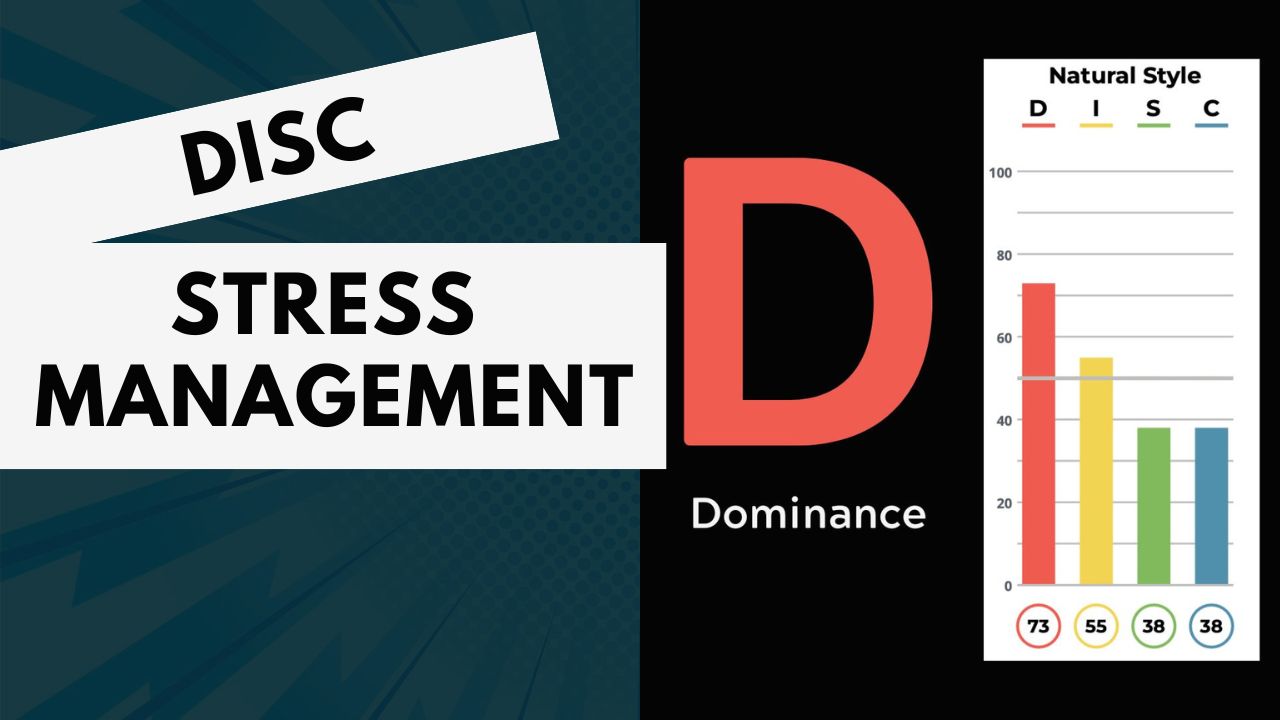
Most stress advice treats the nervous system like it’s universal: breathe, meditate, exercise, eat better. Helpful ideas, sure. But when the tool doesn’t match how your brain and body process pressure, stress doesn’t resolve. It recycles. I was adding stress tools and feeling more exhausted the next day. Like was 'another thing' I had to do. Which was stressing me out even more. That's where I recognized the misalignment. That’s where DISC work styles change how I started approaching stress relief. Explore DISC: Click Here
Stress Isn’t the Problem. Unreleased Stress Is.
Stress isn’t always a sign something is wrong. It’s a signal that energy is mobilized. The issue starts when that energy has nowhere to go. When stress isn’t released properly, it shows up as:
-
Irritability or emotional overload
-
Mental fatigue that doesn’t improve with rest or a nap
-
Food habits that create more crashes than relief
-
The feeling of “I did all the right things and I’m still exhausted”
That’s not failure. That’s mismatch. You’ve probably tried a stress routine that worked great for someone else, and made you feel worse. That’s not accidental. Your DISC style influences:
-
How your nervous system responds to pressure
-
Whether stress needs movement, expression, safety, or closure
-
Which “relaxing” activities actually calm you or quietly irritate you
Using the wrong strategy can increase frustration, emotional tension, or mental overload instead of releasing it.
How DISC Styles Experience Stress
Here’s the key distinction most people (and myself) miss:
-
Dominance (D) styles feel stressed when momentum stops
-
Influence (I) styles feel stressed when emotions are bottled
-
Supportive (S) styles feel stressed when they push past their limits
-
Compliance (C) styles feel stressed when their mind stays “on”
The solution isn’t doing more stress management. It’s choosing the right exit for your stress cycle.
The 3 Places Stress Sneaks In (and Out)
In the full video linked below, I walk through three everyday moments where stress either clears or compounds:
-
Relaxation: “calm” that contradicts your wiring doesn’t work
-
Kitchen habits: stress eating patterns often worsen fatigue
-
Mental load: unfinished thoughts are one of the biggest stress drivers
Stress Relief Should Feel Like Relief
If your stress routine feels like another task to complete, something you have to push yourself to do, calm on the outside but tension underneath. That’s your signal to stop forcing strategies that weren’t designed for you. When stress is released the right way, people often notice:
-
More energy without needing more rest
-
Less irritability without “trying to be calm”
-
Clearer thinking without overanalyzing
-
A body that settles instead of staying on alert
Stress doesn’t disappear when you ignore it. It releases when you stop fighting your wiring and start working with it. Watch more in the DISC playlist linked in picture below. Explore DISC: Click Here