Set New Year’s Goals That Actually Stick Using DISC
Jan 05, 2026Every January, people set goals with genuine intention. By February, most of them quietly fade away.
This isn’t because people lack discipline, motivation, or commitment. It’s because most goals are designed without considering how a person is naturally wired to take action.
When goals fight your behavioral style, they require constant energy to maintain. When goals align with your style, progress feels lighter, more natural, and far more sustainable.
Traditional goal-setting advice assumes that everyone:
-
Plans the same way
-
Stays motivated by the same rewards
-
Responds to pressure the same way
-
Recovers from setbacks the same way
In reality, people burnout not because the goal is too big but because the process drains them.
DISC helps explain:
-
What fuels your motivation
-
What drains your energy
-
How you respond under pressure
-
What kind of structure you actually need
When goals align with these patterns, follow-through becomes easier at work and in personal life.
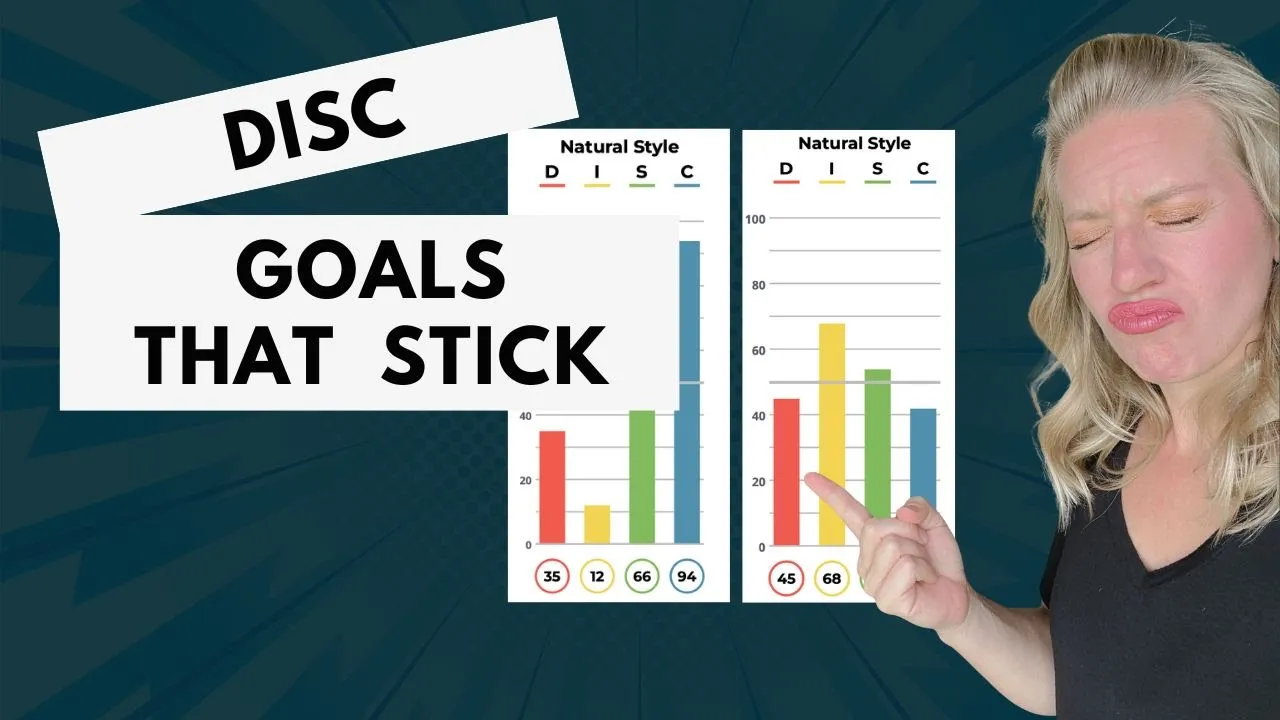
Most people are a blend, but one or two styles usually dominate how they approach goals.
How Each DISC Style Should Set New Year’s Goals
Dominance (D): Goals Need Momentum
What drains D-styles:
-
Slow progress
-
Excessive detail
-
Long-term goals without visible wins
Why goals fail:
D-styles start strong, move fast, and then lose interest when momentum drops.
How to set goals that stick:
-
Create goals with clear metrics and deadlines
-
Break big goals into short-term wins
-
Track progress visually (dashboards, scorecards)
Influence (I): Goals Need Connection
What drains I-styles:
-
Working alone
-
Rigid routines
-
Silent accountability
Why goals fail:
I-styles rely on enthusiasm, which fades without engagement.
How to set goals that stick:
-
Make goals social or collaborative
-
Share progress publicly or with an accountability partner
-
Add variety to the process
Supportive (S): Goals Need Safety
What drains S-styles:
-
Sudden change
-
Too many goals at once
-
Pressure-driven timelines
Why goals fail:
S-styles often put others first and delay their own priorities.
How to set goals that stick:
-
Start small and build gradually
-
Focus on consistency, not speed
-
Anchor goals into calm, predictable routines
Compliance (C): Goals Need Clarity
What drains C-styles:
-
Too-high of expectations
-
Vague progress markers
-
Fear of doing it “wrong”
Why goals fail:
C-styles over-plan and delay action until conditions feel perfect.
How to set goals that stick:
-
Break goals into clear, measurable steps
-
Define what “good enough” progress looks like
-
Turn goals into systems, checklists, or schedules
This year, don’t force yourself into someone else’s goal-setting formula. Design goals that work with your wiring, not against it. When goals align with how you naturally think, act, and recover, they stop feeling like pressure and start becoming part of how you operate. That’s when they stick. Grab up your DISC report here: DISC or grab up a Free Leaders Guide: Navigating Workforce Patterns
