Lack of Motivation or Stress Pattern?
Apr 27, 2026You’re still showing up, getting things done, checking off that to-do list. But underneath, something feels off. You sit down to focus and immediately lose the thought. You bounce between tasks. You tell yourself to just push through…and yet, you don’t.
Not because you’re lazy. Not because you don’t care. But because you’re caught in a pattern.
The Misdiagnosis That Keeps You Stuck
Most people assume this is a motivation problem. So they try new systems, routines, and tools. And sometimes it works...for a while. Until it doesn’t sustain for the long-term or through those hard seasons. The issue was never the system. It was the state you were operating from.
What looks like procrastination is often overwhelm. What looks like distraction is often overload. What looks like burnout is often patterns running in the background. If you only address the surface behavior, you stay stuck in the cycle.
Patterns Drive More Than Willpower
Your day isn’t driven by constant decision-making. It’s driven by patterns your brain defaults to under certain conditions. When things feel unclear, you may overwork. When you’re overloaded, you avoid. When interruptions stack up, your focus ping-pongs all over. These aren’t flaws. They’re learned responses. At some point, they helped you cope or perform. But over time, they become automatic and what once helped starts to work against you.
You don’t have to be fully burned out to feel stuck. Most people live somewhere in between functioning, but drained. Productive, but inconsistent. Moving forward, but with friction.
This is the messy middle. And it’s easy to normalize. You tell yourself, “This is just how work is.” But that constant friction is a signal. Something underneath your behavior isn’t aligned.
What Your Patterns Might Be Saying
A few common experiences and what’s often underneath them:
- “I keep procrastinating” Often signals overwhelm, lack of clarity, or mental overload.
- “I’m busy but not productive" Usually driven by reactive work, interruptions, and scattered focus.
- “I’m exhausted all the time” Can come from context switching, emotional load, and low-level stress not just workload.
- “I can’t follow through" Often a sustainability issue. Misaligned capacity, pacing, or structure.
Most people try to fix these patterns by forcing behavior. But if the pattern doesn’t shift, the change won’t last. Real awareness looks like:
-
When do I lose focus?
-
What triggers that shift?
-
What’s happening in that moment?
Once you can see the pattern, you can work with it.
The Shift That Actually Works
Instead of asking, “How do I force myself to do this?” Ask, “What’s happening underneath this?”
Instead of pushing through exhaustion, ask what’s draining you. Instead of eliminating procrastination, ask what it’s signaling. This shifts you from control to understanding.
Work with your energy, not against it. Energy isn’t fixed. It shifts based on your workload, environment, and mental state. When you ignore that, you force yourself into ways of working that don’t match your reality. That’s where burnout begins. Not always from doing too much, but from working in ways that constantly fight your capacity.
When you understand your patterns, you can match work to your energy. Adjust before burnout builds and create more sustainable focus. This isn’t about doing less. It’s about working differently.
If you’ve been stuck in this loop, you’re not the problem. You’ve likely been trying to solve the wrong layer.
Start here:
-
Notice one pattern that shows up often
-
Pay attention to when it happens
-
Get curious about what’s underneath it
-
Make one small adjustment
Not a full overhaul. Just one shift that actually fits your reality. When you understand your patterns, work starts to feel different. Focus becomes easier. Energy becomes more stable. Progress feels more consistent.
Not because you’re doing less but because you’re finally aligned with how you operate.
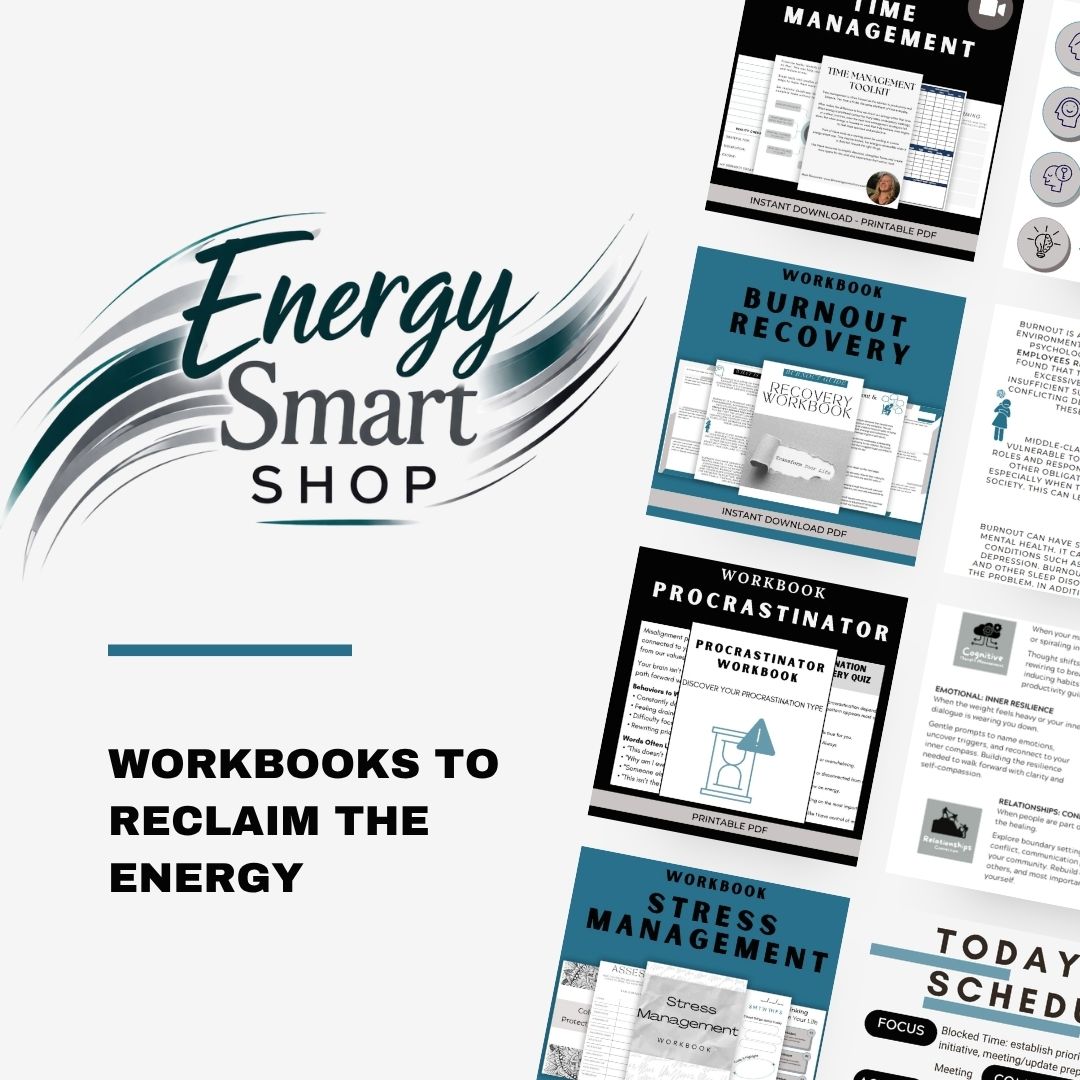
If you’re feeling stuck, it’s not random. There’s a pattern underneath it. Once you can see it, you can start to change it. Grab up a instant download workbook to guide your journey.